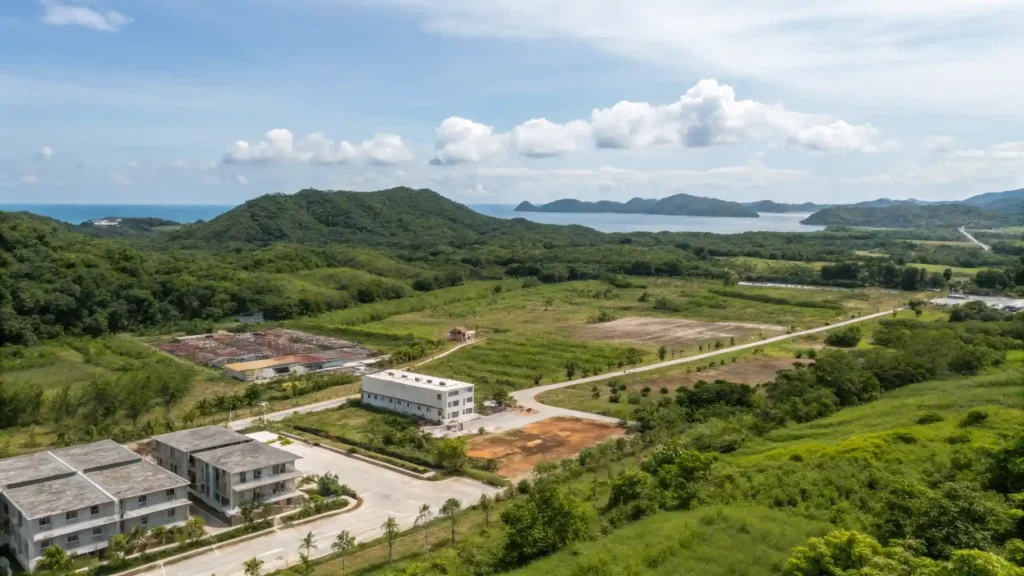

LABUAN BAJO
Labuan Bajo Property Invest — Labuan Bajo Property Invest
property and tourism-business investment in Labuan Bajo Flores — the Komodo gateway and a national super-priority destination, beachfront and.
Explore Labuan Bajo Property Invest
Labuan Bajo Property Invest – Labuan Bajo Property Invest
Labuan Bajo Property Invest is your gateway to lucrative property and tourism investments in Labuan Bajo, Flores. We connect investors with carefully sourced assets and projects, assist with local partners, and coordinate legal and regulatory support from independent professionals. Key highlights include:
- Access to prime beachfront and hillside land in and around Labuan Bajo.
- Investment opportunities in hotels, villas, boutique resorts, and liveaboards.
- Practical expertise with permits, local regulations, and legal due diligence through trusted third‑party advisors.
Why Labuan Bajo Attracts Property Investors
Labuan Bajo pulses with opportunity, where the turquoise waters of the Komodo archipelago meet rising demand for tourism, lifestyle, and hospitality assets. This coastal town is no longer just a transit point to Komodo; it is an emerging investment landscape supported by government programs, private capital, and improving infrastructure.
Located in West Manggarai, Flores, East Nusa Tenggara, Labuan Bajo is designated as a national super-priority destination (SPD). This status focuses central and regional government attention on infrastructure, spatial planning, and tourism promotion. Visitor arrivals to Komodo National Park are already above 200,000 per year, and indicative projections suggest potential arrivals in the wider Labuan Bajo area could reach 300,000–350,000 by 2026 (indicative estimate only), particularly as international connections grow.
The Komodo Airport expansion, new and upgraded roads toward Batu Cermin, Gorontalo village, and Waecicu, and improvements around the Marina and Bukit Silvia corridors are setting the stage for sustained hospitality demand. For investors using services like labuan bajo property invest, this creates a window where land values are rising, but selected locations still offer attractive entry prices compared with Bali or Lombok.
Current Investment Landscape and Returns
Labuan Bajo is transitioning from a backpacker and dive hub into a mixed market serving middle-class domestic tourists, international divers, and higher-spending “once in a lifetime” visitors. This shift is already visible in accommodations, from simple guesthouses on Jalan Soekarno Hatta to branded resorts on Wae Rana Bay and premium villas overlooking Sebayur and Seraya islands.
Based on current market observations as of 2024, with indicative projections toward 2026:
- Average hotel occupancy in central Labuan Bajo is around 65–75% across the year, with peaks above 80% in July–September.
- Indicative ADR (Average Daily Rate) ranges:
- Mid-range hotels and boutique lodges: USD 60–150 per night.
- Upscale/luxury hotels and resorts: USD 150–450 per night.
- High-end liveaboards: USD 300–800 per person per night for multi-day trips.
- Indicative gross yields for well-managed villas and small resorts can range from 8–12% per year in USD terms, depending on occupancy, operating efficiency, and financing structure.
These numbers are indicative only and can shift with currency movements, new supply, and regulatory changes. Any forecast should be refined using current financial models and local market data at the time of investment.
Types of Properties for Investment
Labuan Bajo offers a range of assets suitable for different strategies, from land banking to operating hospitality businesses. Through labuan bajo property invest, investors typically look at:
Beachfront and Near-Beach Land
Prime beachfront or near-beach sites in the wider Labuan Bajo area, such as along Waecicu, Pantai Pede, and the approach toward Gorontalo and Rangko, command premium prices yet still sit below many Bali coastal locations.
- Indicative 2026 price ranges (subject to change):
- Secondary beachfront / near-beach (road access, partial views): IDR 600,000,000–1,500,000,000 per are (100 m²) – indicative.
- Prime beachfront with confirmed tourism zoning and good access: IDR 1,500,000,000–3,000,000,000 per are – indicative.
- Suitable for boutique resorts, villa clusters, beach clubs, or long-term land banking.
Hillside and View Lots
Hillside plots above the main town and in areas such as Bukit Silvia, Batu Cermin, and above the Marina offer panoramic views toward Pulau Kukusan, Sebayur, and Komodo National Park.
- Indicative 2026 price ranges can start around IDR 250,000,000–700,000,000 per are for non-beachfront but strong sea view parcels (indicative only, highly location-specific).
- Popular for private villas, small villa resorts, mixed-use concepts with F&B and co-working spaces, and staff housing for resorts and liveaboard crews.
Hotels, Guesthouses, and Boutique Resorts
Existing hotels and guesthouses along Jalan Soekarno Hatta, the Marina area, and roads leading up to the hills are often family-operated and occasionally available off-market. An investor might:
- Acquire and renovate underperforming assets.
- Reposition to higher-yield segments, such as dive-oriented accommodations, experiential stays, or wellness-focused retreats.
- Brand and professionally manage to raise ADR and occupancy.
Liveaboards and Marine Tourism
Liveaboards remain one of Labuan Bajo’s signature hospitality models, offering diving and cruising around Komodo, Padar, Rinca, and surrounding islands.
- Indicative acquisition costs for a well-equipped steel or phinisi liveaboard suitable for 8–16 guests can range from USD 400,000–1,500,000 (indicative, depending on age, class, and fit-out).
- Revenue is often seasonal, but strong high-season demand supports attractive rates for high-quality operations.
Ownership Structures: Leasehold, Freehold, and Hak Pakai
Property ownership and use rights in Indonesia are nuanced. A core part of labuan bajo property invest services is connecting clients with independent notaris/PPAT and legal advisors who can explain options in detail. Some key concepts include:
- Hak Milik (Freehold): The strongest form of individual land title, generally only available to Indonesian citizens. Many local landowners in Labuan Bajo still hold Hak Milik certificates for ancestral or family land.
- Hak Pakai (Right of Use): Can be granted to Indonesian individuals, certain legal entities, and in specific cases to foreigners residing in Indonesia or to foreign-owned PT PMA entities. Hak Pakai can be granted over state land or over Hak Milik land with consent.
- Hak Guna Bangunan (HGB – Right to Build): Often used for commercial projects, this right can be held by Indonesian companies or PT PMA structures, providing longer-term control of land for development and operation.
Leasehold Arrangements
Many foreign investors choose leasehold structures when entering the Labuan Bajo market, especially for smaller projects or villas.
- Typical initial lease terms: 25–30 years, sometimes with pre-agreed extensions for an additional 20+ years.
- Payment structures may include an upfront premium and, in some cases, annual or stepped payments.
- Key clauses relate to renewal mechanisms, permitted use, building rights, and dispute resolution.
Freehold via Indonesian Partners
Where land is held in Hak Milik, foreign investors sometimes work with Indonesian partners or employees. Any nominee-type arrangement carries legal and commercial risk and requires careful structuring and independent legal advice. Investors should avoid informal side agreements and instead investigate compliant structures such as PT PMA ownership of HGB/Hak Pakai.
Foreign Investment and PT PMA
Foreign investors looking to own operating assets directly usually consider establishing a PT PMA (Perseroan Terbatas Penanaman Modal Asing), a foreign direct investment company registered with BKPM (now part of the OSS system).
- PT PMA can hold HGB or Hak Pakai rights under certain conditions, own buildings, operate hotels, resorts, and marine tourism businesses, and employ foreign staff within quota limits.
- Minimum capital requirements for PT PMA in tourism and hospitality are subject to change, but are typically set at nominal paid-up capital of at least IDR 10 billion (indicative figure; check current rules).
- Business activities must follow the Indonesian Standard Industrial Classification (KBLI), with specific codes for hotels, restaurants, travel agencies, and marine tourism.
Working with a licensed notaris/PPAT and corporate services provider is essential to ensure that the PT PMA is structured correctly, complies with foreign ownership limits, and aligns with regional spatial plans (RDTR – Rencana Detail Tata Ruang) in Labuan Bajo and West Manggarai.
Regulatory Environment and Local Authorities
The regulatory environment in Labuan Bajo involves multiple levels of government. Key elements include:
- BPOLBF (Badan Pengelola Otorita Labuan Bajo Flores): A central government authority tasked with planning and facilitating tourism development in Labuan Bajo and surrounding areas of Flores. BPOLBF coordinates infrastructure projects and can help streamline investment procedures within its jurisdiction.
- Regional Government and RDTR: The Kabupaten Manggarai Barat government implements spatial planning rules. The RDTR defines zoning (tourism, residential, conservation, commercial, etc.) and influences what can be built on a given plot.
- Environmental and conservation rules: Projects near coastal or protected areas may require AMDAL or UKL-UPL environmental assessments and must respect Komodo National Park and surrounding conservation policies.
Proper legal due diligence should always cover land status, zoning according to RDTR, access roads, coastal setback rules, and alignment with BPOLBF and local government plans.
Key Taxes and Transaction Costs
Indonesian property and investment transactions carry several taxes and fees. The most commonly encountered in Labuan Bajo property deals include:
- BPHTB (Bea Perolehan Hak atas Tanah dan Bangunan): Land and building acquisition duty, generally 5% of the taxable acquisition value above a certain non-taxable threshold, usually paid by the buyer.
- PPh (Pajak Penghasilan) Final on Property Transfer: Income tax on the seller, commonly 2.5% of the transaction value for standard property transfers (rates can change, and different rules may apply in some cases).
- Notaris/PPAT fees: Usually calculated as a percentage of the transaction value or a fixed negotiated fee for drafting the deed of sale and purchase (Akta Jual Beli), checking titles, and registering the transaction.
- Ongoing taxes: Annual PBB (land and building tax), corporate income tax for PT PMA, VAT where applicable, and service charges or retribution fees related to tourism operations.
Indicative total transaction costs (including taxes and professional fees) may range from 7–12% of the agreed price, but this should be modelled on a case-by-case basis with a qualified tax consultant.
Hospitality and Tourism Business Opportunities
The hospitality sector in Labuan Bajo is evolving quickly, with demand for more diverse and higher-quality experiences. Investors can consider:
- Dive and Adventure Lodges: Properties tailored to divers and trekkers, offering in-house dive centers, equipment rooms, and guided excursions to Komodo, Padar, and Rinca.
- Eco-Resorts and Sustainable Villas: Using solar power, rainwater systems, and low-impact building materials to align with conservation values and appeal to environmentally conscious guests.
- Wellness and Retreat Concepts: Hillside yoga retreats near Batu Cermin, spa-focused resorts with views over the bay, or digital-detox concepts targeting longer stays.
- Integrated Liveaboard + Land Packages: Combining nights on a liveaboard with pre- and post-cruise stays in boutique hotels or villas for higher overall spend per guest.
ADR growth in Labuan Bajo has been estimated around 8–12% per year over recent years for well-located, well-managed properties (indicative only). With improved airport connections forecast through 2026, there is room for additional branded hotels, specialized boutique concepts, and professionally managed villa portfolios.
Risk Factors and Due Diligence
While the opportunity is attractive, Labuan Bajo is still an emerging market, and prudent due diligence is essential:
- Title and boundary clarity: Confirm land certificates (SHM, HGB, Hak Pakai) and ensure boundaries match survey maps. Overlaps and inheritance disputes are not uncommon in Flores.
- Zoning and RDTR compliance: Confirm that intended use (hotel, villas, marina, restaurant) is allowed in the plot’s designation.
- Infrastructure and access: Check quality of road access, water sources, electricity capacity, and internet availability, especially for hillside or outer-area plots.
- Regulatory changes: Monitor shifts in Komodo National Park regulations, visitor quotas, and environmental rules that could affect liveaboard and tour operations.
- Operator capability: Success in hospitality depends heavily on on-site management, staff training, and consistent service standards.
Investors should always work with an independent notaris/PPAT, licensed legal counsel, and a tax consultant familiar with East Nusa Tenggara and PT PMA structures.
How Labuan Bajo Property Invest Supports You
Labuan Bajo Property Invest acts as an independent broker and concierge, not as the ultimate owner of assets. Our role typically includes:
- Sourcing and pre-screening land, villa, hotel, and liveaboard opportunities that match your budget, risk appetite, and timeline.
- Introducing you to trusted local stakeholders, including landowners, architects, project managers, and hospitality operators.
- Coordinating with independent notaris/PPAT, lawyers, and tax professionals for title checks, contract drafting, and corporate structuring.
- Advising on practical aspects such as staffing, supplier networks, and initial operating budgets, based on local market realities.
All information provided is general in nature and not specific investment, legal, or tax advice. Each project must be assessed on its own merits, and final decisions should be made with licensed professionals.
Frequently Asked Questions
Can foreigners directly own land in Labuan Bajo?
Foreign individuals generally cannot hold freehold (Hak Milik) land in Indonesia, including Labuan Bajo. Common approaches are to use a PT PMA to hold HGB or Hak Pakai rights, or to enter into long-term lease agreements. Any structure should be reviewed and executed by a licensed notaris/PPAT and legal advisor to ensure compliance and reduce risk.
What is a realistic minimum investment budget?
Indicatively, smaller investors might target IDR 5–10 billion for a serviced villa or small guesthouse project, while boutique resorts or quality liveaboards often start from IDR 20–50 billion and can extend much higher. These ranges are approximate and can change with land prices, boat availability, and construction costs in 2026.
How long does it take to set up a PT PMA and start operating?
Timeframes vary, but as a general guide, company establishment and licensing can take around 2–4 months if documentation is complete and permitted business lines are clear. Additional time is needed for construction permits, building, fit-out, and staffing. Working with experienced consultants and a proactive notaris/PPAT can significantly reduce delays.
Final Thoughts
Labuan Bajo is moving from early-stage tourism hub toward a more mature destination supported by national policy, infrastructure investment, and private capital. With thoughtful structuring, clear legal and tax planning, and strong on-the-ground partners, investors can participate in this growth while respecting the area’s ecological and cultural context.
All figures and comments above are indicative only and do not constitute financial, legal, or tax advice. For tailored assistance with specific projects or to be introduced to licensed professionals, you are welcome to contact our concierge.